H1 Survey
Milky Way with a 1.8-metre Satellite Dish
With very simple equipment and a budget of less than 200 euros, it is possible to carry out radio astronomy and make the Milky Way visible — even in the middle of a large city such as Berlin. In our H1 survey project, we demonstrated that a modified satellite dish, combined with a low-noise amplifier and an inexpensive SDR receiver, can be used to obtain surprisingly detailed data about our galaxy. The required hardware is widely available, and the data analysis can be performed using freely accessible software, even without programming skills.
Our starting point setup was based on a standard 1-meter satellite dish, originally designed for TV reception. We combined it with a dedicated 1420 MHz feed, a low-noise amplifier (Sawbird H1), and an SDR receiver (NESDR SMArTee) from the company Nooelec.
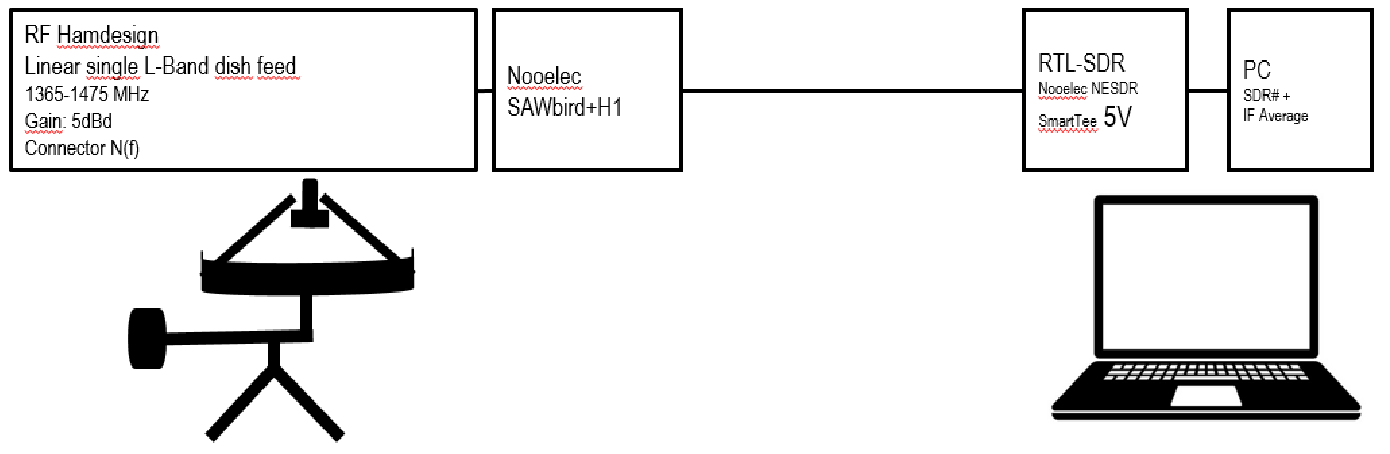
Even with this simple configuration, we were able to clearly detect the 21 cm hydrogen line — a characteristic radio emission from neutral hydrogen, the most abundant element in the universe. Despite significant electromagnetic interference in an urban environment, the spectra of galactic hydrogen became clearly visible after only a few seconds of integration time. The signal increase within the narrow hydrogen line reached up to 1.3 dB above the baseline noise.
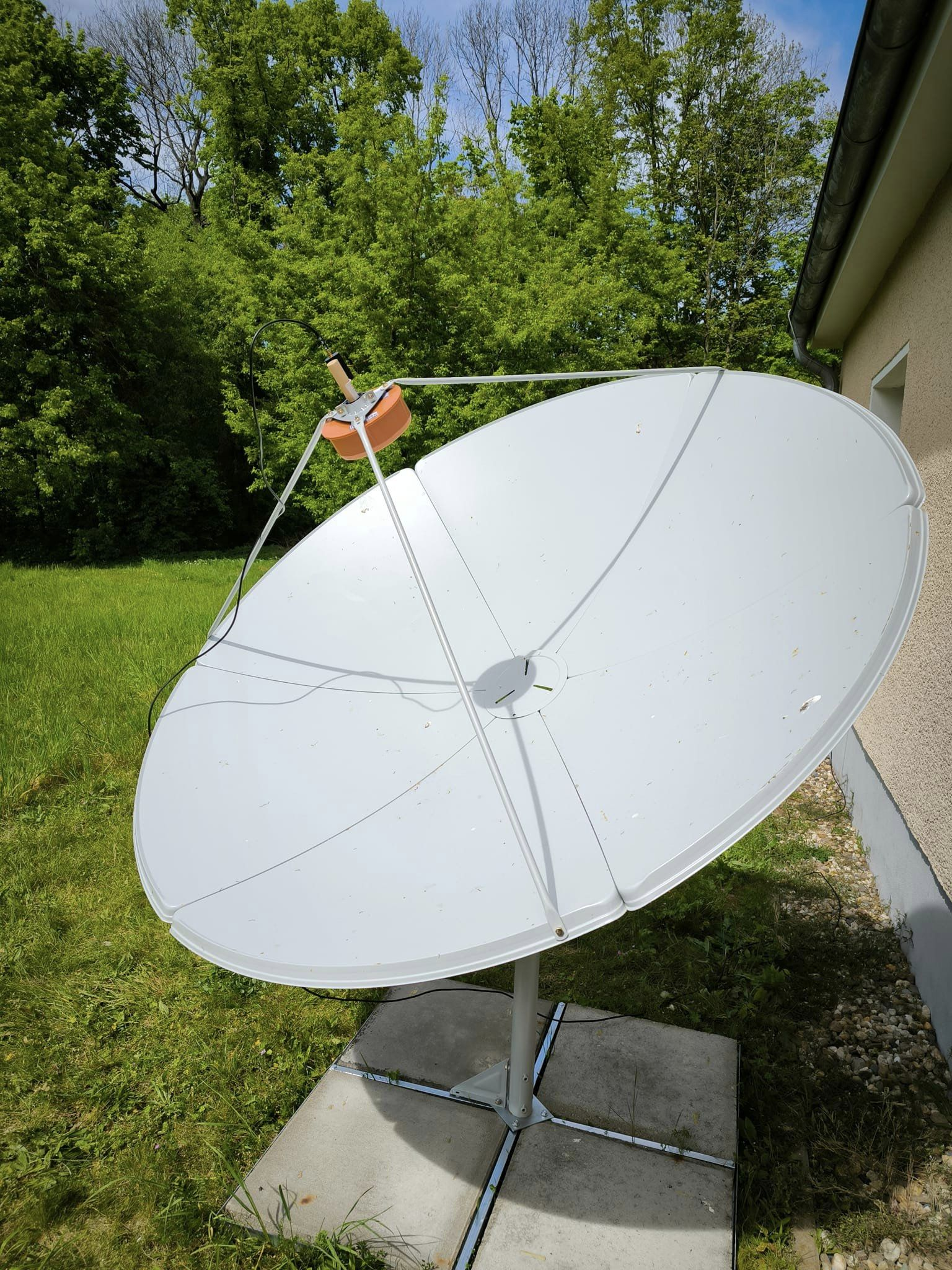
To further improve the resolution of our measurements, we also used a larger 1.8-meter C-band satellite dish, commonly employed in Africa and Asia for television reception. These dishes are inexpensive and readily available from international suppliers. Despite their relatively simple construction, they are entirely sufficient for radio astronomy experiments. The rest of the receiving chain remained unchanged. Instead of using a motorized tracking system, we relied on the Earth’s rotation and performed meridian transit observations. The antenna was fixed pointing south, allowing celestial objects to drift through the field of view.
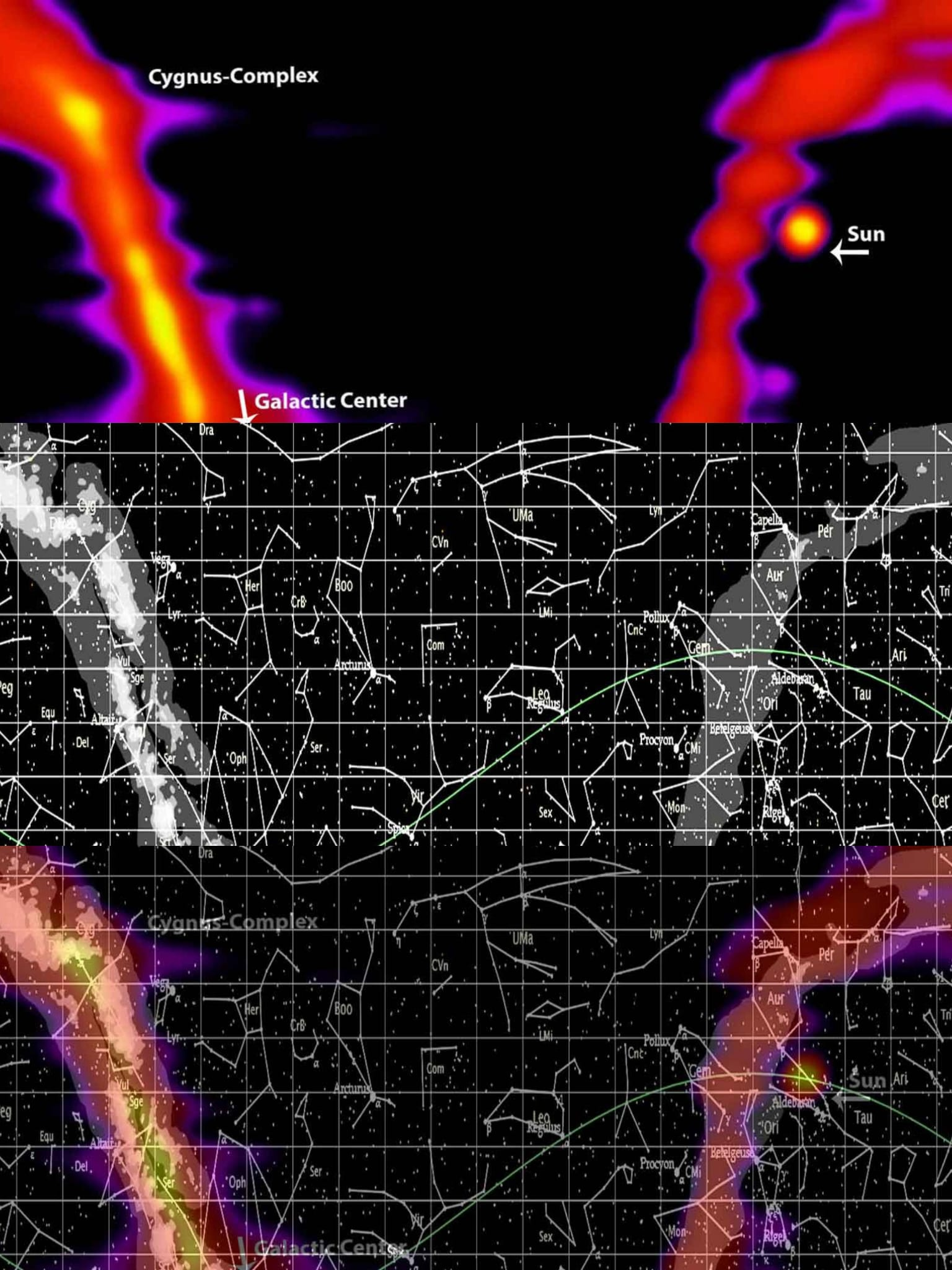
For data analysis, we used the free open-source software ezRA (“easy Radio Astronomy”). With only a few clicks, it allows the calculation of signal curves and the generation of radio images of the sky. Using this approach, we were able to map the Milky Way as a bright band — even during daytime and under cloudy conditions, something that is not possible in optical astronomy.
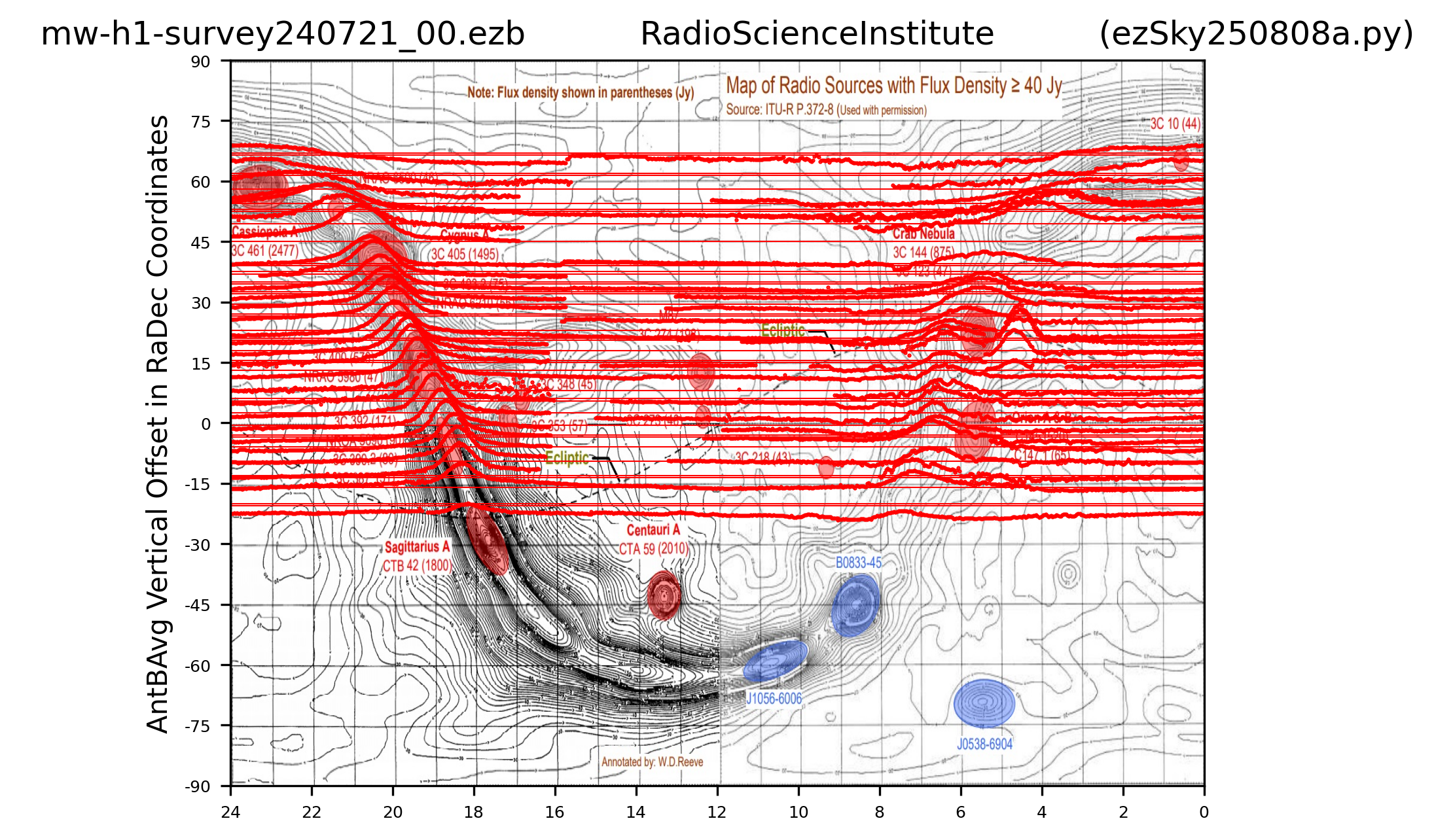
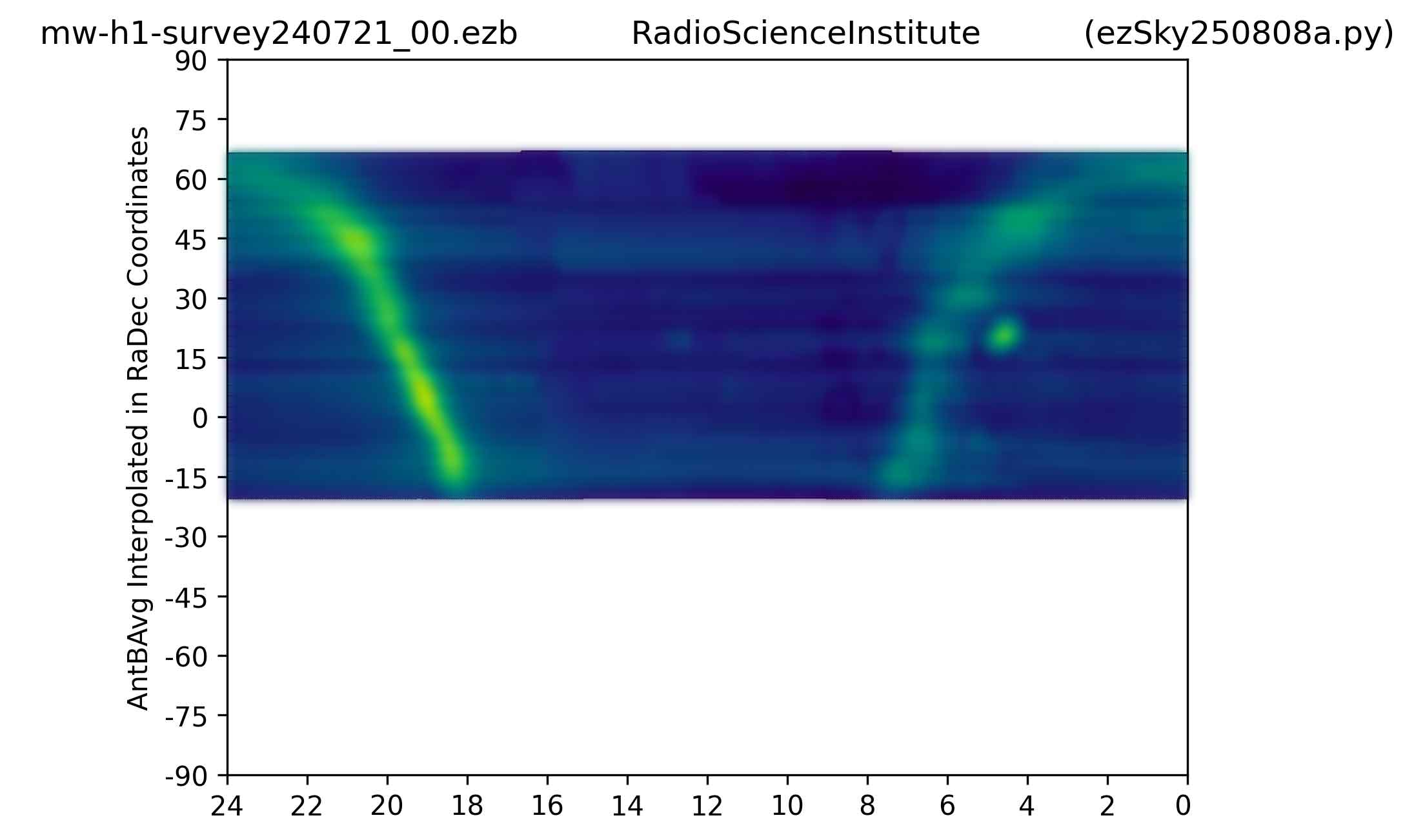
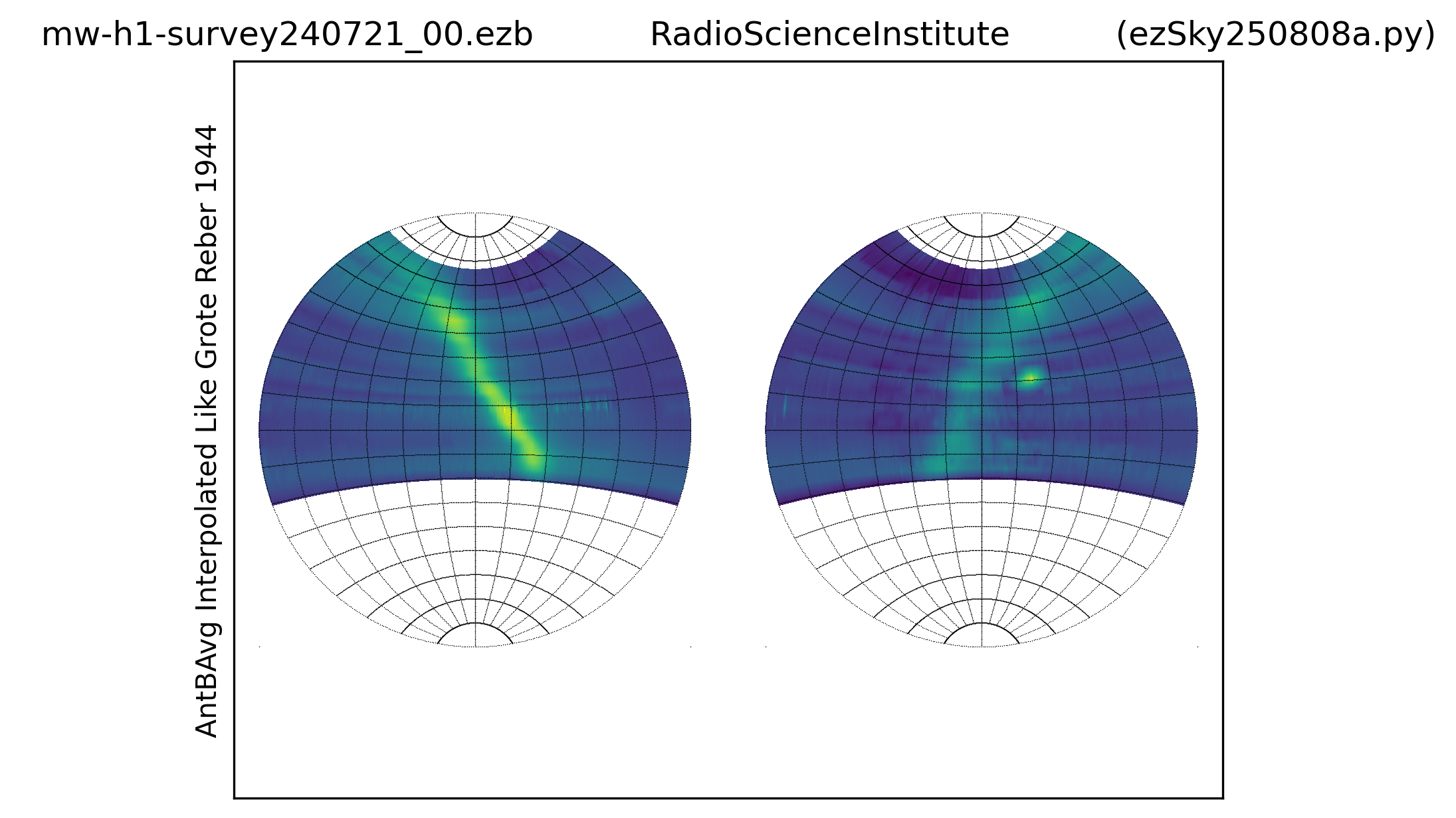
The generated images are based on multiple sky scans, where the elevation of the antenna was varied step by step. The software combines these datasets, assigns them to sky coordinates, and produces detailed radio maps. A particularly interesting feature is the enhanced emission in the Cygnus-X region — a large star-forming complex that is heavily obscured in optical wavelengths but clearly visible in radio.
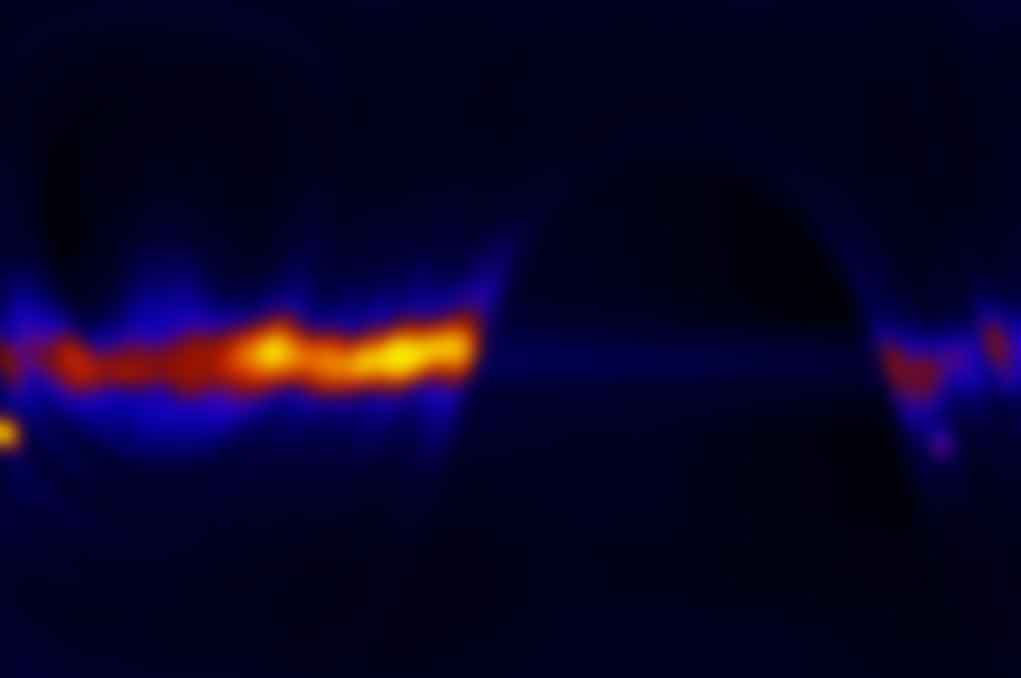
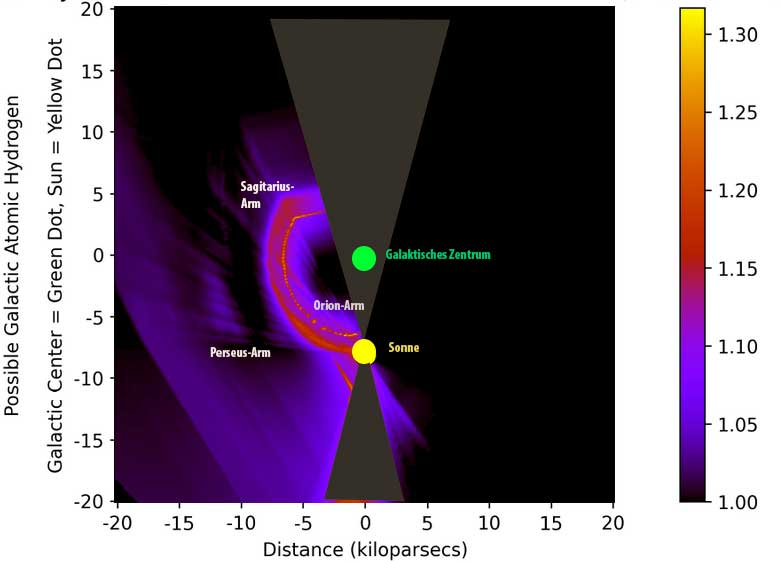
In addition to imaging, we also analyzed the motion of hydrogen clouds within the galaxy. Since the spiral arms of the Milky Way move at different velocities relative to our solar system, this motion appears as Doppler shifts in the observed spectra.
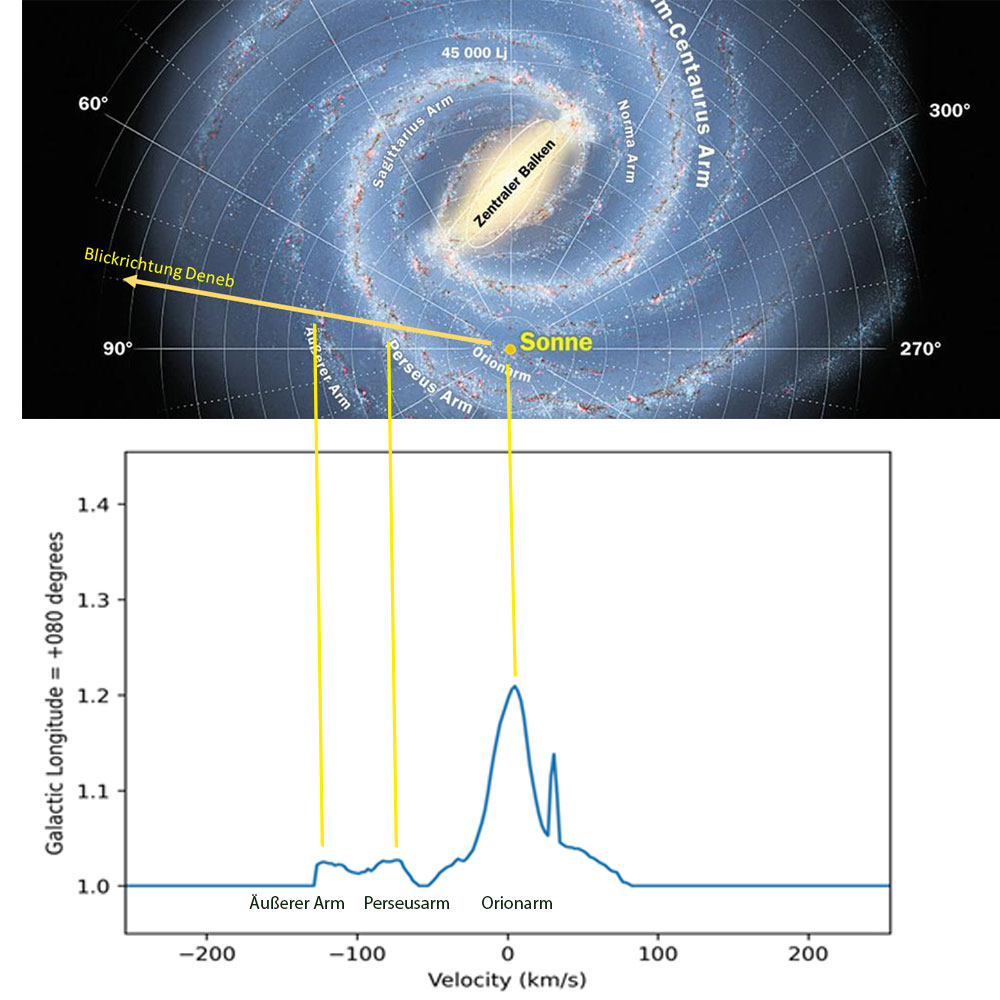
Using ezRA, we evaluated these frequency shifts and calculated radial velocities relative to the local standard of rest. This allowed us not only to measure spectra, but also to derive the spatial distribution of hydrogen clouds — effectively revealing the spiral structure of the Milky Way.